
What Springfield’s Tightrope Run and Final Collapse Tell Us About the Pipeline

A nine-game playoff run feels like a compact sample size, but it’s more than long enough to tell fans who the Springfield Thunderbirds are at this point in their development, long enough for heroes to emerge, and long enough for a fanbase to get dynamic, high-stakes visualizations of the organization’s future.
However, if you only look at the final, macro-level statistics from the Thunderbirds’ Calder Cup postseason run, the data is going to deceive to you.
If you just glance at the back page of the ledger, you’ll see an ugly 8-1 blowout loss to Wilkes-Barre/Scranton on Saturday night that officially ended the season. You’ll see a team defense that finished with some bloated goals-against metrics and a power play that looked entirely toothless on paper.
The boxscore sheet makes it look like a mediocre team that got cleanly exposed.
It’s that final box score that hides the true reality of what happened this May. At the macro level, this group didn’t lack heart, and they didn’t lack structure. For the first two and a half weeks of the playoffs, the Thunderbirds were an elite, grit-and-grind defensive machine. They didn’t get out-played, but simply ran out of margin. The bottom line of it all was that Springfield’s postseason was a month-long tightrope walk. They possessed an ironclad defensive shell, but were trapped in an absolute offensive desert. When you score just 18 goals over your first 8 games, averaging a minuscule 2.25 goals per game across nearly three full weeks of playoff hockey, you demand absolute perfection from your goaltender and your blue line. You leave yourself zero room for bad bounces, and you leave yourself entirely vulnerable to a single, chaotic discipline breakdown.
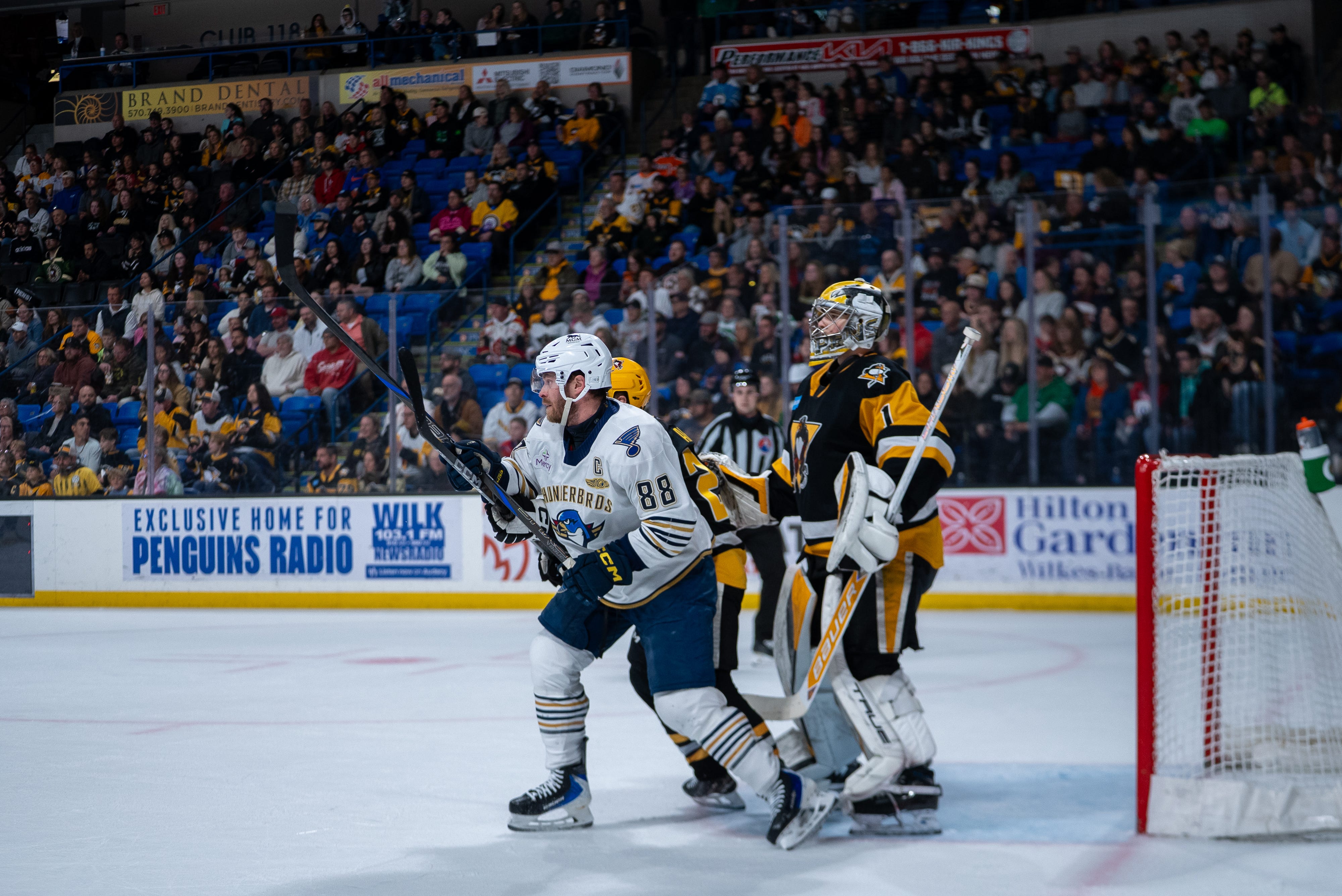
Throughout the first round against Providence, the recipe worked. In the second round against a highly structured Wilkes-Barre/Scranton team, the bill finally came due. The power play stagnated into a 3-for-25 (12.0%) frostbite over the 9-game stretch, completely killing five-on-five offensive momentum and putting a suffocating amount of pressure on the evening’s starting goaltender.
To understand how this pipeline run succeeded as long as it did—and to see the exact structural pressure points where it finally fractured by diving into the granular, game-by-game micro-data. Take away the offensive blackouts, the late-period discipline collapses, the individual overtime heroes, and deliver our final, scouting-grade Pipeline Stock Report on the organization’s top ELC prospects.
